PsychologyJune 17, 2025
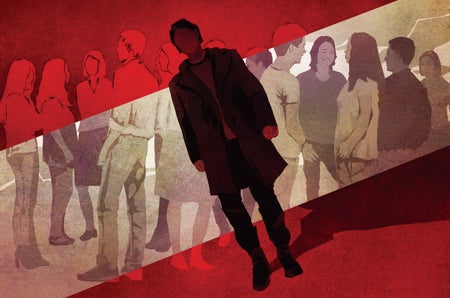
What If We Could Treat Psychopathy in Childhood?
New strategies help to reduce callous and unemotional traits in children, guiding them toward productive lives
Maia Szalavitz is the author of, most recently, Undoing Drugs: How Harm Reduction Is Changing the Future of Drugs and Addiction (Hachette Books, 2021). She is a contributing opinion writer for the New York Times and author or co-author of seven other books.
What If We Could Treat Psychopathy in Childhood?
New strategies help to reduce callous and unemotional traits in children, guiding them toward productive lives

New Treatments Address Addiction alongside Trauma
A new generation of treatments addresses the trauma that often underlies addiction
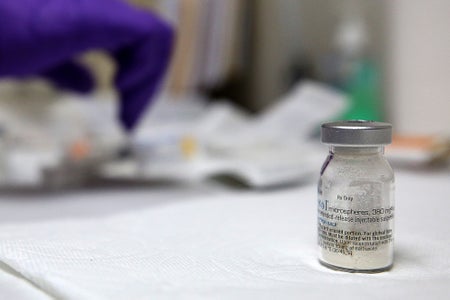
Vivitrol, Used to Fight Opioid Misuse, Has a Major Overdose Problem
A recent examination of Vivitrol’s clinical trial data uncovered many hidden overdoses. Its preferential use in the criminal justice system must stop
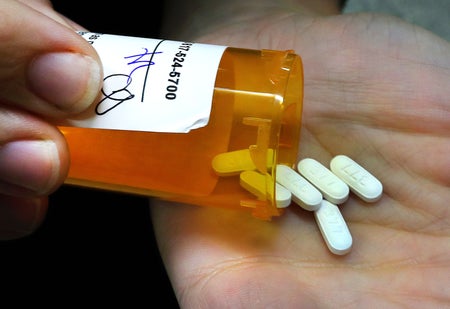
A Recent Supreme Court Ruling Will Help People In Pain
By ruling in favor of two doctors accused of running pill mills, SCOTUS is clarifying opioid prescription practices
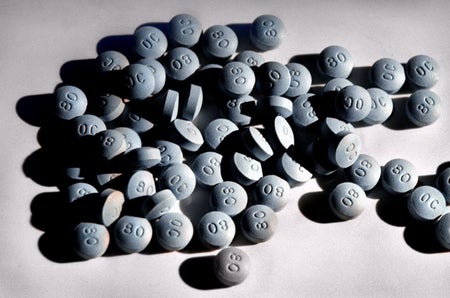
Doctors Prescribing Opioids in Good Faith Should Not Be Prosecuted
The Supreme Court will consider a case that has had a chilling effect on medical practice
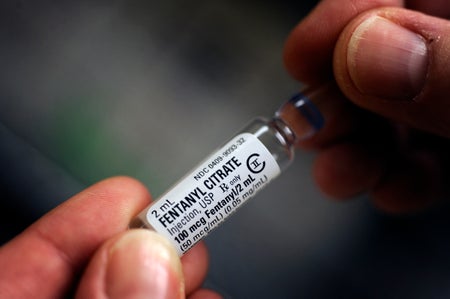
Opioids and Cigarettes Are Both Harmful, but Opioids Have Valid Medical Uses
We mustn’t apply the same harm reduction strategies to both
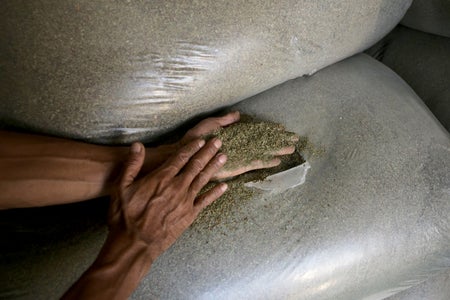
The FDA Shouldn’t Support a Ban on Kratom
The herbal supplement can be abused, but given the explosion in opioid deaths, eliminating this safer substitute will almost certainly lead to more deaths

Harm Reduction Is the Best Approach for COVID and Drug Addiction
In both cases, harm reduction is a better strategy than draconian rules that feel virtuous but don’t actually work

We’re Overlooking a Major Culprit in the Opioid Crisis
Pharmaceutical companies and drug dealers have been part of the problem—but so have policy makers
Income Inequality’s Most Disturbing Side Effect: Homicide
Where financial disparities are greatest, the murder rate tends to be high

The Social Life of Opioids
New studies strengthen ties between loss, pain and drug use
Dopamine: The Currency of Desire
Rethinking the “pleasure molecule” could help scientists better understand addiction, Parkinson’s disease and motivation

Opioid Overdose: Emergency Treatment Is Crucial, but It's Not Enough
The opioid-blocking drug naloxone is a crucial first step, but there must be immediate follow-up to keep the cycle of addiction from continuing

Opioid Addiction Is a Huge Problem, but Pain Prescriptions Are Not the Cause
Cracking down on highly effective pain medications will make patients suffer for no good reason
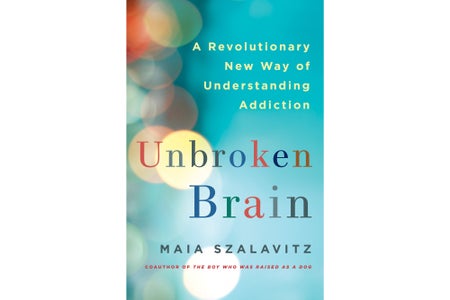
The Addictive Personality Isn't What You Think It Is
Author Maia Szalavitz rebrands addiction as a learning disorder, exploring new approaches to tolerance, prevention and treatment

Autism—It's Different in Girls
New research suggests the disorder often looks different in females, many of whom are being misdiagnosed and missing out on the support they need

How to Protect Yourself against Bad Self-Help
Dangers lurk within the U.S.'s $12-billion self-help industry. Here is how to spot the warning signs
Trauma in Disguise
A child's hyperactivity may be a symptom of distress